

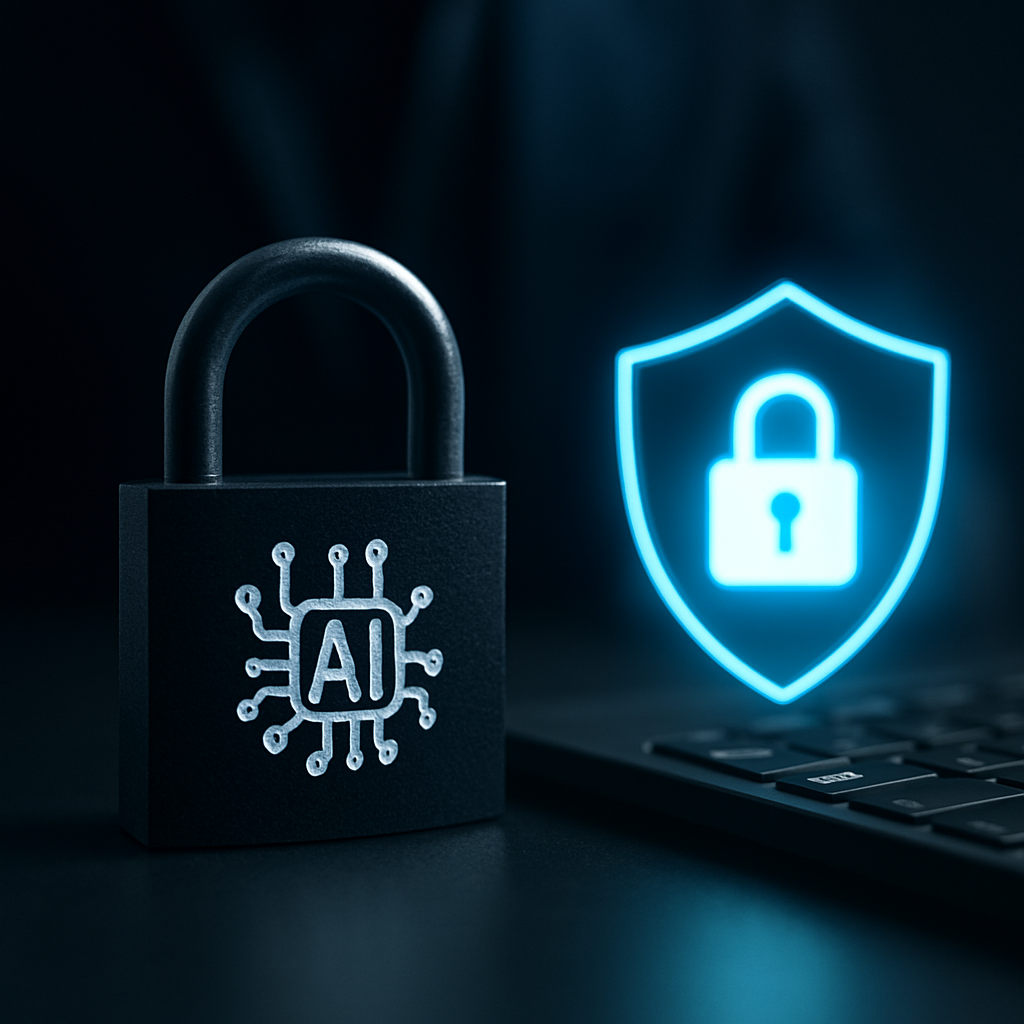
The Rising Threat Landscape of AI-Driven Cyber Attacks
In the rapidly evolving digital ecosystem, organizations are increasingly reliant on artificial intelligence to drive innovation and operational efficiency. However, as these advanced systems proliferate, they also become prime targets for sophisticated cyber adversaries who exploit unique vulnerabilities inherent to machine learning models. Attackers employ techniques such as data poisoning, model inversion, and adversarial perturbations, which can compromise sensitive corporate assets and undermine operational continuity.
Executives must understand that the consequences of failing to secure AI environments extend far beyond technical disruptions. There is a heightened risk of intellectual property theft, regulatory non-compliance under frameworks like NIST SP 800-53 Rev. 5, EU GDPR Art. 32, and the EU AI Act, as well as significant reputational harm. Traditional cybersecurity strategies often fall short because AI-specific threats evolve dynamically, adapting to new defenses and exploiting gaps left by legacy controls.
To address these challenges, organizations need to adopt a proactive approach to AI cybersecurity hardening. This involves not only identifying potential attack vectors but also continuously updating defensive measures to keep pace with emerging risks. Industry leaders recommend integrating threat intelligence feeds and leveraging automated anomaly detection tools to enhance situational awareness and response capabilities.
“AI-driven attacks are fundamentally different from conventional cyber threats. Security teams must develop specialized skills and deploy adaptive controls that account for the fluid nature of machine learning algorithms.”
Pioneering AI Resilience
Forward-thinking enterprises, particularly those operating within financial services and critical infrastructure sectors, have begun embedding AI cybersecurity hardening into their governance, risk
management, and compliance (GRC) frameworks. These organizations implement continuous AI threat modeling and utilize explainable AI (XAI) tools for automated anomaly detection, ensuring transparency and accountability throughout their AI operations.
By aligning their security controls with guidelines issued by agencies such as the US Cybersecurity & Infrastructure Security Agency (CISA) and standards developed by ISO/IEC JTC 1/SC 42, industry leaders proactively identify and mitigate adversarial manipulations. This strategic alignment enables rapid incident response, reduces dwell time, and limits lateral movement within AI-driven systems, thereby strengthening overall resilience.
For example, leading banks use layered defense mechanisms including real-time monitoring of AI transaction engines and robust access control policies to prevent unauthorized manipulation of predictive models. Utilities companies deploy automated model retraining workflows that incorporate provenance verification and integrity checks, minimizing exposure to supply chain risks.
These best practices demonstrate how integrating AI security into enterprise GRC processes fosters a culture of vigilance and adaptability. The result is improved regulatory compliance, enhanced customer trust, and sustained competitive advantage in an environment where threat actors continually innovate.
ROI and Liability Mitigation Through AI Security Controls
Investments in AI cybersecurity hardening yield tangible benefits, including measurable reductions in breach costs, legal liabilities, and compliance penalties. By embedding AI-specific security controls—such as robust data provenance, secure model training pipelines, and runtime integrity verification—organizations reduce exposure to costly remediation and litigation under regulations like HIPAA and PCI DSS when AI processes sensitive data.
Enhanced trust in AI outputs directly impacts customer confidence and market differentiation. Quantitative risk assessments reveal that layered defenses decrease both the frequency and impact of expected losses, providing executives with clear justification for prioritizing AI cyber resilience initiatives. For instance, insurance firms report lower claims payouts and improved underwriting accuracy after deploying comprehensive AI security architectures.
Moreover, regulatory bodies increasingly demand evidence of AI-specific controls during audits, making proactive investments essential for avoiding fines and sanctions. Companies that demonstrate robust AI cybersecurity measures are better positioned to negotiate favorable terms with partners and insurers, further reinforcing their risk posture.
Auditor Note: Regulators now scrutinize AI systems for traceability and integrity. Organizations must produce granular audit trails and demonstrate continuous monitoring to satisfy compliance requirements.
Bridging Governance and Technical Implementation: From Strategy to Execution
Transitioning from executive-level risk awareness to effective AI cybersecurity hardening requires a structured methodology grounded in technical rigor. Organizations should establish integrated workflows encompassing data inventory and classification aligned with AI system components, secure software development lifecycle (SSDLC) practices tailored for AI models, and comprehensive monitoring of AI behavior for anomalous patterns.
Automation and orchestration platforms play a pivotal role in scaling these controls across hybrid cloud and edge environments. For example, multinational corporations leverage containerization technologies and centralized policy management to enforce consistent security standards across geographically dispersed AI deployments. Continuous auditing mechanisms must be designed to generate granular evidence supporting compliance with sector-specific mandates, such as those outlined by EU GDPR and NIST.
Technical implementation steps include establishing immutable logs for all AI-related activities, integrating cryptographic validation of datasets, and deploying real-time alerting systems for suspicious model behaviors. Cross-functional collaboration between IT, data science, and compliance teams ensures that governance objectives translate into actionable technical safeguards.
Ultimately, only through this tightly coupled bridge between governance and technical execution can enterprises mitigate emergent AI risks sustainably and maintain Digital Trust in an increasingly adversarial landscape. The path forward demands ongoing investment in skill development, process automation, and regulatory engagement.
Technical Deep Dive: AI Cybersecurity Hardening
Access the full technical implementation guide, NIST/ISO control mappings, and auditor notes in our Knowledge Base.
Strategic Roadmap: Operationalizing AI Cybersecurity Hardening
To transition from theory to operational excellence, follow this path with Linqs:
- Phase 1: Compliance Gap Assessment – Baseline your current posture against AI Cybersecurity Hardening requirements.
- Phase 2: Targeted Training – Bridge skills gaps via Linqs Assurance & Audit Services.
- Phase 3: Automated Monitoring – Deploy LinqsOne to maintain continuous compliance.
Comments are closed