

Understanding the Rising Tide of Cybersecurity Risks in Modern Enterprises
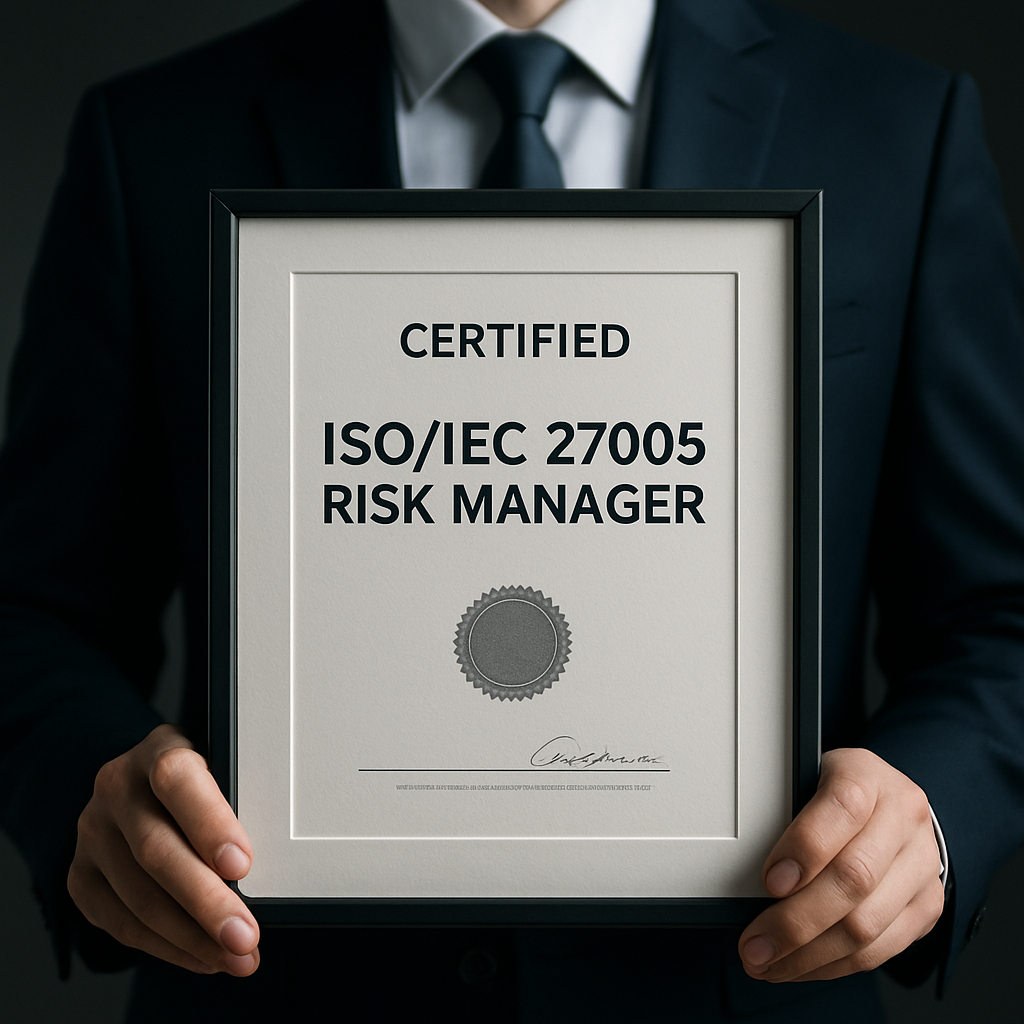
In today’s hyperconnected digital economy, organizations are experiencing an unprecedented escalation in information security threats. These risks threaten not only operational continuity but also erode stakeholder trust and expose enterprises to regulatory scrutiny. The Certified ISO/IEC 27005 Risk Manager credential has become a cornerstone for professionals navigating evolving compliance requirements, including frameworks such as the EU NIS2 Directive and updated provisions under EU GDPR (General Data Protection Regulation) Article 32. These mandates emphasize the necessity for proactive risk management strategies that go beyond mere technical controls.
Failure to adopt a structured risk assessment methodology aligned with ISO/IEC 27005 can result in severe consequences. Regulatory penalties, brand erosion, and costly incident response efforts often follow inadequate risk management practices. As cyber adversaries exploit increasingly sophisticated attack vectors, executives must prioritize a strategic approach to Information Security Risk Management (ISRM) by integrating organizational context, asset valuation, threat modeling, and vulnerability assessments into actionable risk treatment plans. This holistic approach ensures that risk mitigation is not just reactive but anticipatory and adaptive.
“Organizations should regularly update their risk assessment procedures to reflect changes in technology, business processes, and regulatory expectations. Leveraging certified risk managers enables enterprises to maintain agility and resilience against emerging threats.”
Industry Leaders Pioneering Robust Risk Management Architectures
Global technology firms and financial institutions are at the forefront of adopting ISO/IEC 27005-aligned risk management programs. These organizations reinforce their compliance posture while optimizing resource allocation through systematic risk identification and treatment. For instance, multinational banks employ certified risk managers to ensure adherence to Basel III cybersecurity mandates, seamlessly aligning ISRM practices with enterprise-wide governance, risk, and compliance (GRC) platforms.
- By embedding certified professionals within their teams, industry leaders facilitate dynamic calibration of risk appetite and continuous improvement cycles. This practice is critical for maintaining resilience against rapidly evolving threats and ensuring that risk management remains relevant and effective.
- The certification serves as a key differentiator during vendor selection processes and provides customer assurance in sectors governed by stringent regulations like HIPAA (Health Insurance Portability and Accountability Act) and PCI DSS. Organizations demonstrate their commitment to robust risk management by employing individuals who possess deep expertise and recognized credentials.
- These leaders illustrate how structured risk management architectures drive measurable improvements in compliance, operational efficiency, and stakeholder confidence. Their success stories highlight the importance of ongoing investment in professional development and certification programs.
Embedding certified risk managers into organizational workflows supports not only regulatory compliance but also enhances the ability to respond to incidents swiftly and effectively. Continuous training and cross-functional collaboration further strengthen the risk management ecosystem, making it adaptable to new challenges.
Quantifying Value: ROI and Liability Reduction Through Certified Expertise
Investing in Certified ISO/IEC 27005 Risk Managers yields tangible returns for organizations seeking to reduce incident response costs and insurance premiums associated with cyber risk exposures. Enhanced risk visibility allows for prioritized remediation initiatives that directly impact metrics such as Mean Time To Detect (MTTD) and Mean Time To Respond (MTTR). Documented compliance with ISO/IEC 27005 is often favorably recognized during regulatory audits, mitigating enforcement risks and potential liabilities arising from data breaches.
- Certified professionals empower teams to translate abstract risk concepts into quantifiable business impacts. This capability fosters informed executive decisions and strengthens stakeholder confidence by demonstrating a clear link between risk mitigation actions and organizational value.
- Regulatory bodies frequently acknowledge documented ISO/IEC 27005 compliance as evidence of due diligence, reducing the likelihood of punitive measures following security incidents. Insurance providers may offer premium reductions to organizations with robust risk management frameworks, recognizing their lower risk profiles.
- Continuous improvement driven by certified expertise ensures that risk management processes evolve alongside technological advancements and threat landscapes. This adaptability is crucial for sustaining long-term resilience and competitive advantage.
“During regulatory inspections, auditors look for evidence of formal risk assessments, treatment plans, and monitoring mechanisms. Certified risk managers play a pivotal role in ensuring these artifacts are comprehensive, current, and audit-ready.”
Embedding ISO/IEC 27005 Controls Within Enterprise Risk Frameworks
Transitioning from theoretical knowledge to practical deployment requires integrating ISO/IEC 27005 principles into existing Information Security Management Systems (ISMS). Certified Risk Managers must develop precise risk assessment workflows encompassing context establishment, risk identification, analysis, evaluation, and treatment stages. Leveraging tools such as risk registers incorporated into automated GRC solutions enhances traceability and reporting accuracy.
- Alignment with standards like ISO/IEC 27001 ensures comprehensive coverage of control objectives and continuous monitoring mechanisms. Effective implementation hinges on cross-functional collaboration, periodic training, and leveraging key performance indicators (KPIs) to measure risk mitigation efficacy systematically.
- Risk managers utilize automated dashboards and reporting tools to track progress, identify gaps, and communicate findings to stakeholders. This transparency is essential for building trust and facilitating timely decision-making.
- Embedding ISO/IEC 27005 discipline within organizational culture is imperative for sustaining robust Digital Trust and compliance. Ongoing education, process ownership, and integration with change management systems support continuous improvement and adaptability.
As cyber threats evolve rapidly, organizations must ensure that risk management practices remain agile and responsive. Regular reviews, updates, and stakeholder engagement sessions help maintain alignment with business objectives and regulatory requirements.
Technical Deep Dive: Certified ISO/IEC 27005 Risk Manager
Access the full technical implementation guide, NIST/ISO control mappings, and auditor notes in our Knowledge Base.
Strategic Roadmap: Operationalizing Certified ISO/IEC 27005 Risk Manager
To transition from theory to operational excellence, follow this path with Linqs:
- Phase 1: Compliance Gap Assessment – Baseline your current posture against Certified ISO/IEC 27005 Risk Manager requirements.
- Phase 2: Targeted Training – Bridge skills gaps via Linqs Assurance & Audit Services.
- Phase 3: Automated Monitoring – Deploy LinqsOne to maintain continuous compliance.
Comments are closed